



Think you dodged the SEC by buying a token that doesn’t call itself a stock? Think again. Richard Heart, the flamboyant creator of Hex and PulseChain, was arrested in Turkey last week at the request of U.S. authorities. And for anyone holding his tokens, the arrest isn’t just a headline, it’s a trigger for a very specific kind of panic.
The charges are straightforward: the Securities and Exchange Commission alleges Heart defrauded investors of at least $12 million, using a combination of unregistered securities offerings and a lifestyle that included a $4.3 million Ferrari, a $6 million Rolex, and what the SEC calls a “massive amount of diamonds.” But the real story isn’t about his spending habits. It’s about what happens to a crypto project when its founder disappears into a Turkish holding cell and the exit door slams shut.
Who Is Richard Heart, and Why Did This Happen?
Richard Heart, real name Richard Schueler, has been a polarizing figure in crypto since he launched Hex in 2019. He promoted it as the first “blockchain certificate of deposit,” promising eye-popping yields to holders who locked up their tokens. Critics called it a Ponzi scheme dressed up in smart contracts. Supporters called him a genius. Either way, his project attracted billions in value and a fanbase that bordered on cultish. PulseChain, his Ethereum fork launched in 2023, quickly followed.
The arrest came after a months-long investigation by Turkish authorities acting on a U.S. extradition request. Interpol had flagged Heart after the SEC filed its civil lawsuit in 2024, accusing him of misleading investors about the safety and returns of Hex and PulseChain. According to the Reuters report, Heart was taken into custody in Istanbul and is being held pending an extradition hearing. The SEC’s complaint, unsealed just days before the arrest, details a pattern of false promises and lavish spending that allegedly burned retail investors while Heart lived like a crypto king.
What This Means for Hex and PulseChain Token Holders
This is where it gets real for anyone sitting on a bag of HEX or PLS. The immediate effect is straightforward: liquidity dries up, panic selling begins, and the tokens bleed value. But there’s a deeper structural problem. Heart essentially was both projects. He controlled the marketing, the roadmaps, and the narrative. Without him, there’s no charismatic leader to pump the price or defend the ecosystem. History is brutal here. When the founder of a crypto project gets arrested, the project almost never recovers. Think of QuadrigaCX, where the CEO died with the only password to the cold wallets. Think of BitConnect, where the founders fled and the token went to zero. This pattern is so consistent it’s almost a rule: crypto projects built around a single personality rarely survive that person’s removal.
And the risk doesn’t stop there. If the SEC wins its case, Heart could be forced to forfeit assets, and that money would flow back to victims, but only after years of litigation. Meanwhile, the tokens themselves could be classified as securities by any court that takes up the case, making them essentially worthless for trading in the U.S. That’s a slow-motion rug pull, but one authorized by a judge rather than a developer.
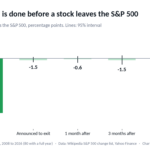
For comparison, look at what happens when a mainstream stock gets kicked out of an index. According to a BullpenBrief analysis, stocks removed from the S&P 500 underperform by 46 points in the run-up to their exit, and after that, it’s a coin flip whether they rally or fade further. Crypto projects don’t even get that much grace: they just fade. Hard.
The Broader Implications for Crypto Regulation
Heart’s arrest is the SEC’s loudest statement yet that it will pursue crypto founders across borders. The agency has been aggressive under Gary Gensler, going after Coinbase, Binance, and dozens of smaller projects. But nabbing someone in Turkey, a country not known for eagerly extraditing to the U.S., sends a signal to every founder who thought they could hide in a jurisdiction with loose crypto laws. It doesn’t matter if you’re in Dubai, the Bahamas, or Istanbul, if there’s an extradition treaty and the U.S. wants you, your passport just got a lot heavier.
The timing matters too. The SEC’s case against Heart includes allegations that he used investor funds to gamble on other crypto projects and buy luxury goods. That’s not just fraud, it’s a narrative that plays perfectly in a Congress debating new crypto regulations. Lawmakers can point to Heart and say, “See? This is why we need rules.” The arrest gives the SEC a villain to parade in front of cameras, and nothing moves legislation faster than a good villain.
For retail investors, the lesson is uncomfortable. The excitement around high-yield crypto schemes often overshadows basic due diligence. The SEC’s complaint against Heart includes details about his claims of having a “PhD-level understanding of game theory” and promising that Hex would make investors “wealthy beyond their wildest dreams.” That kind of language should be a red flag, not a green light. But in a bull market, red flags look like decorations.
It’s worth noting that Heart’s legal team has already filed motions to dismiss the SEC case, arguing that Hex and PulseChain are decentralized projects and that Heart is not legally responsible for investor losses. But arrest goes beyond legal arguments. It’s a hammer. And when the hammer falls, the ecosystem shakes.
What You Should Do If You Hold HEX or PLS
This isn’t financial advice, it’s a thought experiment based on precedent. If you hold these tokens, ask yourself: what is their value if a court orders Heart to return all assets to the SEC? What is their value if the tokens are delisted from exchanges that fear regulatory blowback? What is their value if the community loses its figurehead and the project splits into warring factions? Answer those questions honestly, and you’ll have a good sense of what to expect.
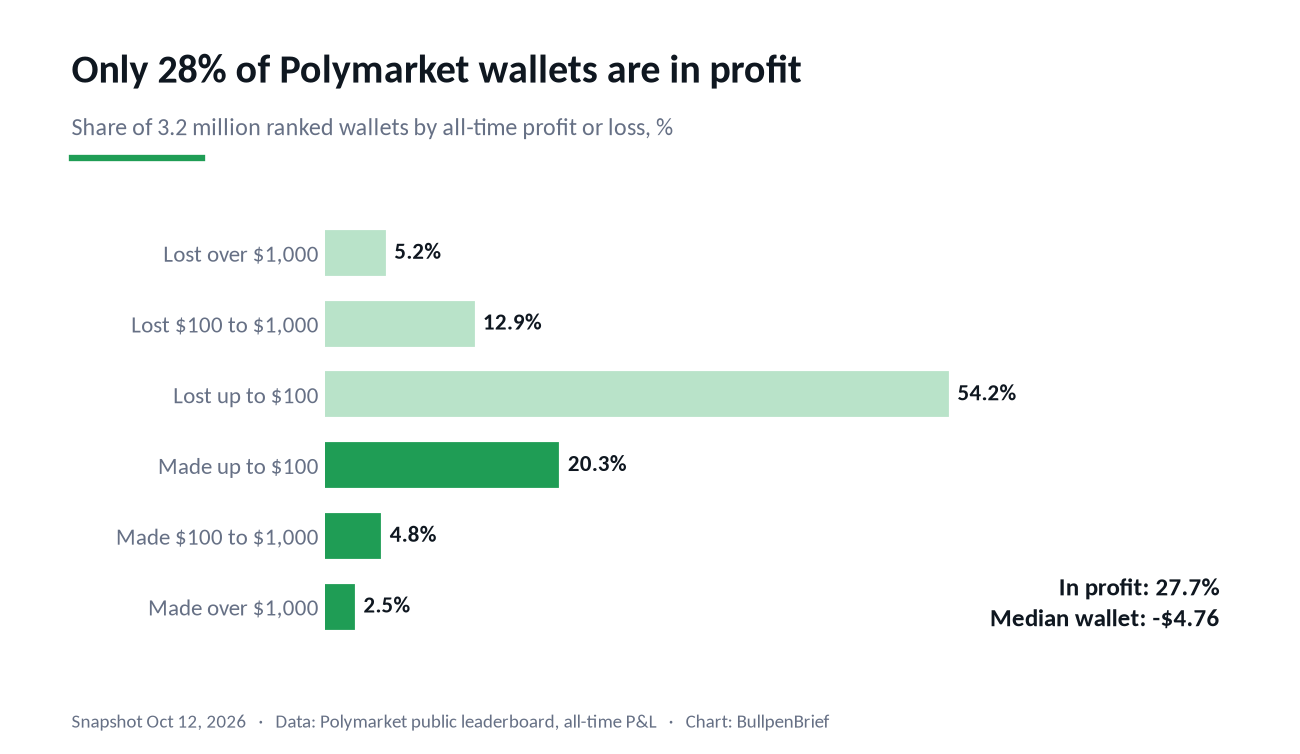
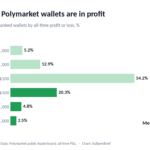
For context, consider the fate of investors in other high-risk bets. Take Polymarket, the prediction market platform. Only 28% of wallets there are in profit, and the top 1% hold 90% of the winnings. That kind of distribution is not an outlier, it’s the norm in unregulated markets. Crypto projects like Heart’s are even more extreme: the creator often holds a huge percentage of tokens, and when he gets arrested, the price drop hits everyone else hardest.
Look, I’m not saying Heart’s projects were scams from day one. But the arrest changes the calculus. Even if Heart beats the charges eventually, the months of uncertainty will drain the life out of the ecosystem. The smart money, the people who watch the U.S. Department of Justice and Interpol alerts, already left. The question is how long the rest holds on.
Forward-looking: Expect extradition proceedings to drag out. Turkey has its own legal timeline, and the U.S. will have to present case for extradition. Meanwhile, the SEC will ask a judge to freeze Heart’s assets globally. That freeze will likely include any remaining company funds and potentially even the wallets tied to the projects. If that happens, don’t expect to withdraw your tokens to an exchange anytime soon. And if Heart tries to fight extradition by claiming he’s being persecuted for his political views (he has already hinted at this on social media), that could buy him time but won’t change the ultimate outcome.
One more thing to watch: whether other investors come forward with class-action lawsuits. The SEC’s case creates a roadmap for private lawyers to sue on behalf of damaged investors. If that happens, the legal pressure multiplies. And crypto projects, unlike traditional companies, cannot file for bankruptcy and reorganize. They just fade into dead code.
The takeaway? Richard Heart’s arrest is not a tragedy or a celebration. It’s a business outcome. And for the people who bought his promise of a blockchain CD, it’s a reminder that in crypto, the only thing worse than a bear market is a founder without a passport.
Frequently Asked Questions
Q: Can Richard Heart still access his crypto wallets from jail?
A: Possibly, but if the SEC gets a court order to freeze his assets, any wallets tied to him or his projects could be locked. Even if he still has the keys, moving tokens while under arrest would be risky and could lead to additional charges of obstruction or asset dissipation.
Q: Will Hex and PulseChain tokens go to zero?
A: Not necessarily, but the probability has increased significantly. Without Heart’s active promotion and development, the community may splinter. Some holders might try to fork the code or appoint new leaders, but history shows that projects tied to a single founder rarely survive legal takedowns intact.
Q: Could he be extradited to the U.S. quickly?
A: Unlikely. Turkey’s extradition process can take months or even years, especially if Heart fights it. The U.S. will have to present evidence and meet Turkish legal standards. His legal team will likely argue that the charges are politically motivated or that the SEC’s case is civil, not criminal. But Interpol’s involvement suggests the U.S. is pushing hard.